Sweet, late August Maine air

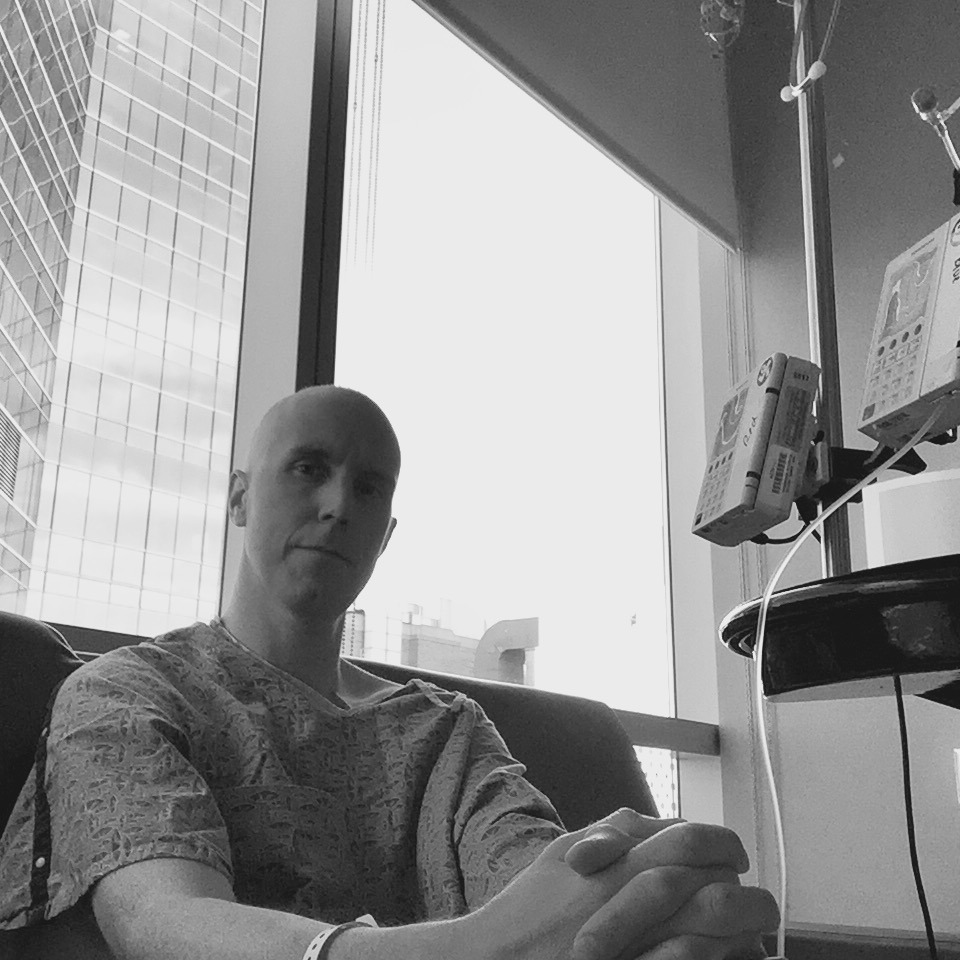
Tomorrow, Aug 25, 2017, exactly 3 weeks from the day of admittance, I will be discharged! Well, this is the hope, and as of right now, as long as a fever doesn’t appear out of nowhere overnight, I should be home tomorrow evening. I want to fall asleep listening to the crickets breathing in the sweet, late August Maine air.

Over a week ago, when I wrote about the ability to, once again, enjoy a cup of tea, I thought that I was on the mend and that the worst of this transplant was drifting away into memory. I was very wrong. When all my counts finally bottomed out, I was in the worst possible state — for days. I assumed this transplant would be much like the past, but I just kept feeling worse and worse post “day 0” (the day I received my cells back). There are several reasons why this transplant hit me harder: different chemo regimens, shorter recovery/rest time between transplants, etc. All I know is that I hope never again to be even close to some of the horrific states I was in over the past several days. One night, I was not sure of the time; I found myself curled into a fetal position and moaning continuously. Another night, I asked the night nurse if I was dying. I shudder to think of anyone in this state of mind or body.

If everything goes according to plan and I am discharged tomorrow, I will return for follow-up labs (blood work) and a few other tests in about a week.

But, for now, this appointment is very far from my mind. Right now, I merely want stillness, rest — deep, nurturing rest. 
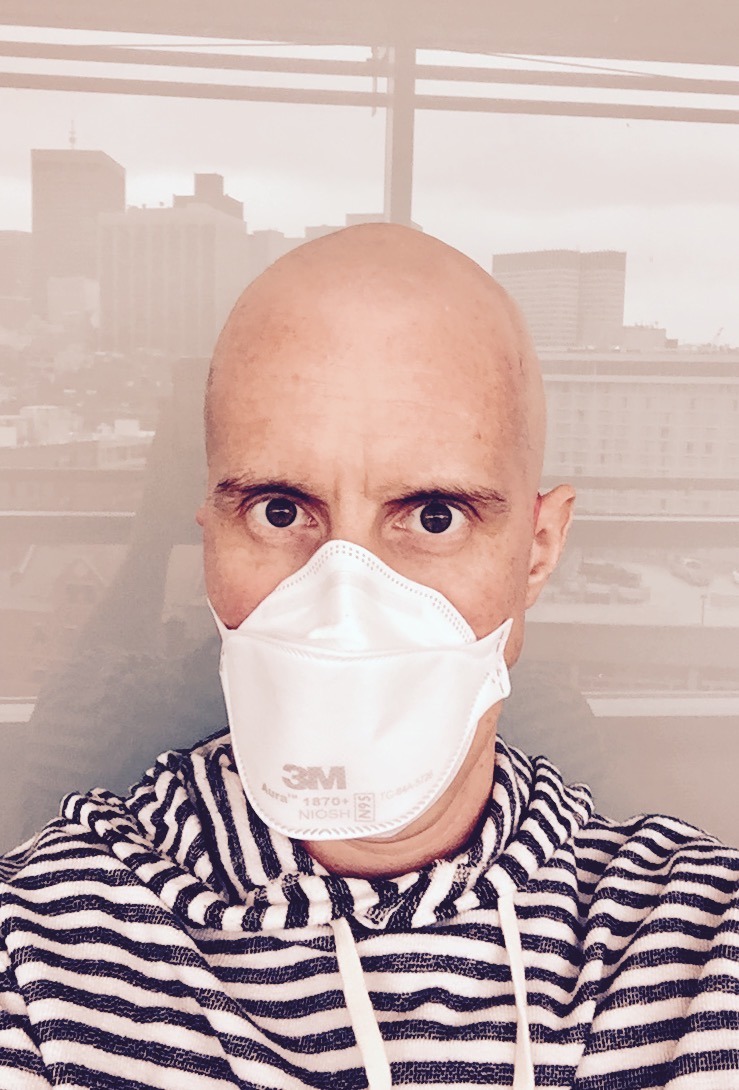
…”breezed” through

I had a follow-up meeting with my oncologist at Mass General yesterday. Labs were drawn, and blood work shows that things continue to climb upward. I still need to be careful, refrain from going into public places, and wear a mask. I am (just today, July 14, 2017) one week post-release from inpatient care, so it makes sense.

Things were trending upward, so the oncologist was happy. They think I’ll be admitted for round II in the first week of August. They want to see me again in two weeks, and the blood work then will give them a better sense of where I’m at. As for now, I’m under strict orders to rest and get ready. We spoke briefly about the regimen used in the next round. It isn’t set in stone, but one thing they’re confident about is utilizing an agent with a solid/proven track record of good CNS (blood/brain barrier) penetration. Having already had two mets in that area, they want to ensure that whatever regimen is used can access this region. The options are pretty horrific in terms of toxicity. I left the meeting a little frightened about round II as I was guaranteed to feel this round more intensely than the first. Which, according to the oncologist, I “breezed” through. 

High-dose chemotherapy with (tandem) stem cell transplants

Where and how do I begin explaining high-dose chemotherapy with (tandem) stem cell transplants? I have been considering how I should go about describing the process. However, I wasn’t even sure I understood it correctly.

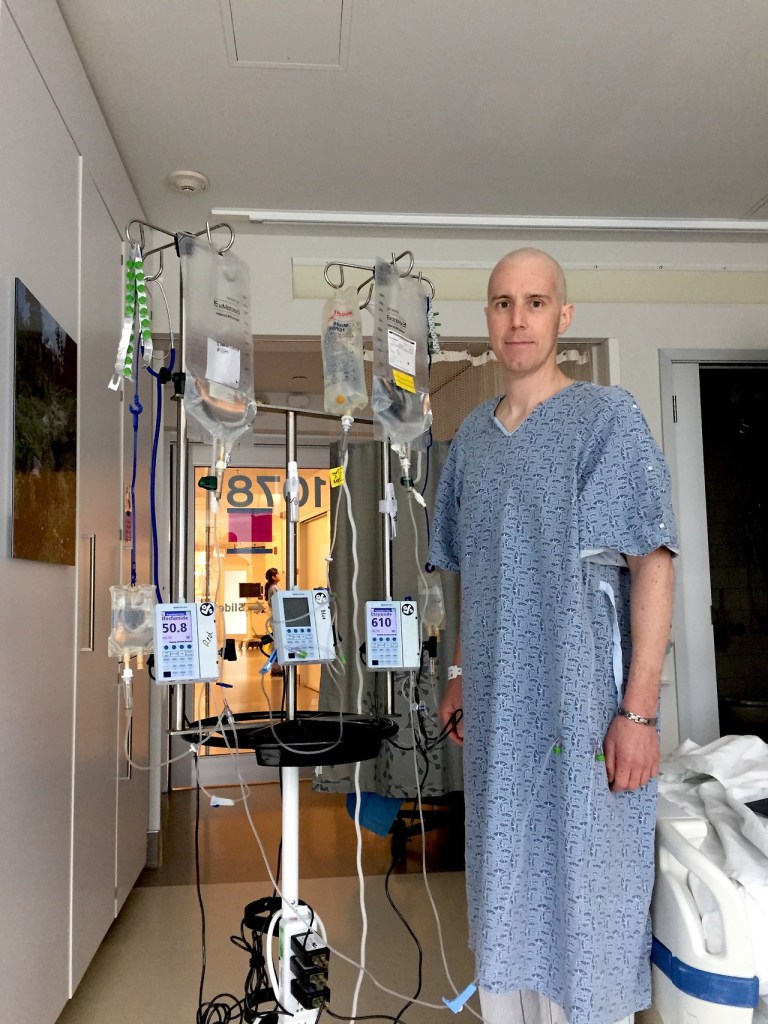
In my case, and this might be the same for other patients, I am not sure, but upon admittance, the clock starts at “day -5” (day negative 5). so “day 0” is when I return my stem cells. Days -5 — 0 are, as you might have guessed, chemo days. By this, I don’t mean normal outpatient days that, in my case, lasted several hours, depending on the regimen. No, I am talking about round-the-clock infusions, IV bags of chemotherapy drugs that run for 24 hours and then are switched out for new bags that run the same length for days and days. The intention, with such long days filled with heavy-duty chemo, is to destroy the current stem cells/marrow & annihilate the existing cancer and then replenish my system with untouched (by high dose chemo) stem cells from which my body will reconstruct itself literally from the ground up.

Along with the continuous stream of chemo, I have also been receiving liters upon liters of fluids. This is to prevent any damage to the liver, kidney & bladder. However, it is often uncomfortable, and, according to the nurse, I am currently retaining 8lbs/3.6kg of excess liquid. Needless to say, I feel uncomfortably bloated.

Between days -2 and 0, I will just be receiving mesna, a chemo protectant, and more fluids to continue to flush my filter organs. 

2nd round

Things change

This post contains images that some viewers might find disturbing.

Had things not changed, had everything stayed on course, I would have begun my first of two stem cell transplants today at Mass General Hospital (MGH). it is hard to believe it was over a week ago today I was rushed to the ER. Today, I clearly understand what is happening. At the time, however, I  was in tears to the paramedics while en route trying to explain my health history in one long-winded sentence, as well as explain that currently, I couldn’t move my left arm.

… why am I still so surprised how fast things can & do change?

When I first met the neurosurgeon, he was optimistic that the 3.2cm lesion in my brain was merely causing swelling, pressing against a supplementary motor cortex (voluntary movement HQ). He was optimistic. However, his tone changed after steroids, administered to help decrease swelling when the lesion was discovered, didn’t assist in bringing back the slightest movement in my fingers or arm. I can hoist the weight of my arm using my shoulder, but there is no grip or dexterity in my fingers, hand, wrist, etc. & bending it at the elbow isn’t entirely possible on my own/without extra guidance from my right arm. It is the strangest thing to be looking at my fingers and telling them, asking them, and pleading with them to move, but they don’t. I still have sensations and can detect touch, warm/cool temps, etc. This is where the hope will reside for recovery of mobility & use.

Rather than just swelling from the lesion causing pressure, the surgeon feels part of the lesion (part of it) was pushing against one of the primary motor cortex bands that run along this particular section of the brain. I am still trying to wrap my head around this… but it explains the extremity’s continued immobility.

Future stem cell transplant steps are being postponed for a few weeks.

Naturally, there is a lot of healing to do in the meantime, and any immune-compromising regimen can’t be undertaken until later in the month. Even then, they may want to opt for radiation therapy, similar to what was used to address the first brain met, before moving forward with the stem cell transplant.

This physical limitation is proving more challenging to deal with than all the chemo hangovers thus far experienced.

“2nd line chemo”

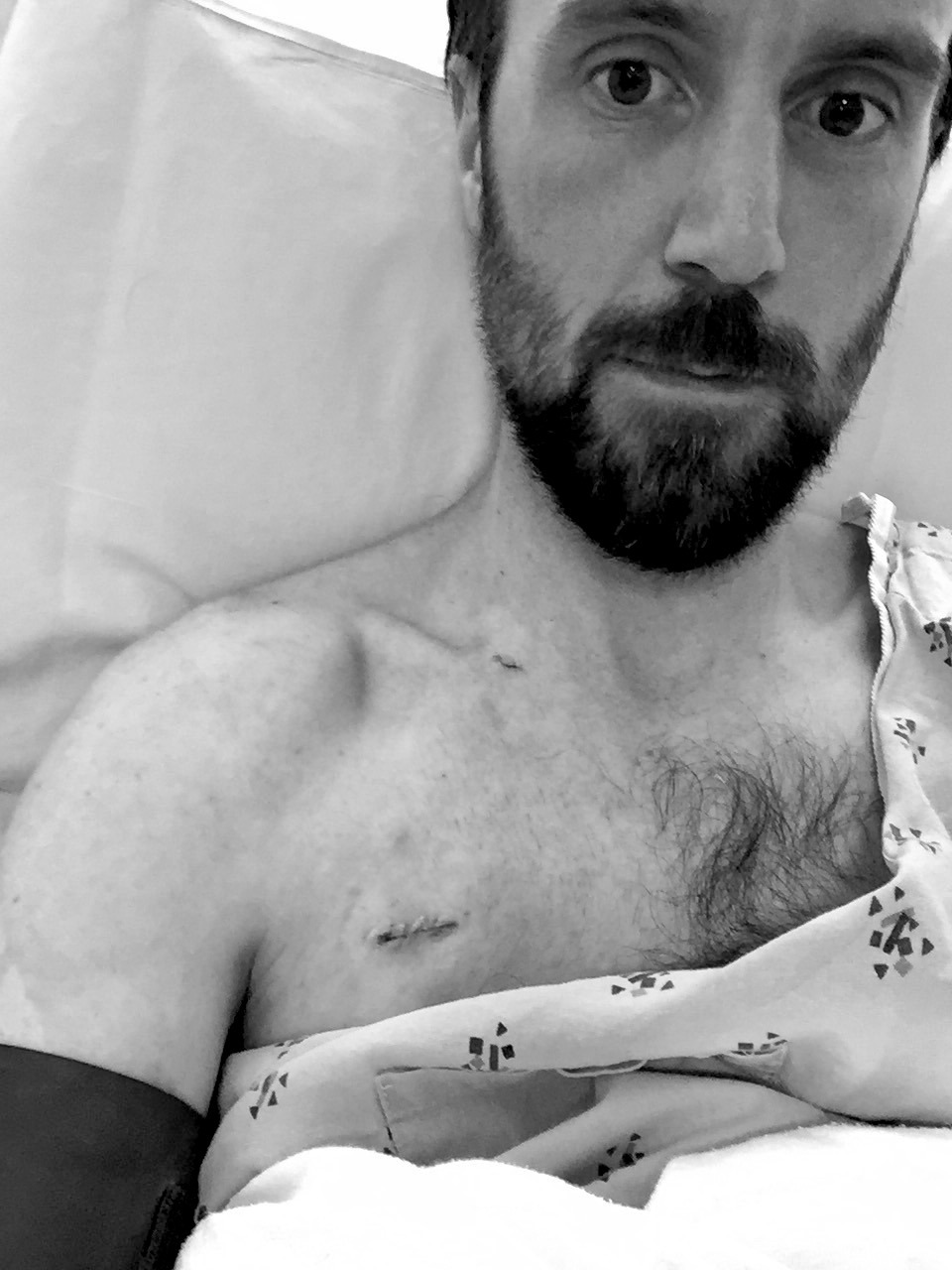
Tomorrow, March 13, 2017, I will begin salvage chemotherapy (AKA “2nd line chemo”). I had my “Smart Port” placed on Wednesday. Initially, I was scheduled for a PICC line, as with prior treatment, but the port requires much less maintenance.

I spent the better part of this past month researching alternative routes. Naturally, more chemo was the last thing I wanted. … but this is it. Yes, there are phase II or II studies, but as such, these wouldn’t be covered by my insurance. Also, since some are still in the relatively early stages of development, the outcome is even less specific than salvage chemo / high-dose chemo/stem cell transplant.

I am trying to refrain from looking that far ahead.

I have to begin with this option, at least. Trust me; I was tempted to buy a one-way ticket to some random, far-off country. I still entertain this idea in daydreams – I won’t lie. However, I must at least begin this, try it, and hope for the best.

SRS (Stereotactic Radiosurgery)

Oct 11 (2016) marked six months since beginning treatment. This time has gone prolonged and alarmingly fast.

When I returned to Maine to begin treatment, the trees were covered in tightly wrapped buds. I watched spring arrive – of course, we’ve all done this. Though, because of the long days of chemo, I was hyper-aware of time and its passage. The buds on this particular maple tree seemed to tease me and almost prolonged their encasement, knowing how desperately I wanted spring – greenery – warmer and longer days…

Today, I noticed the leaves are falling.

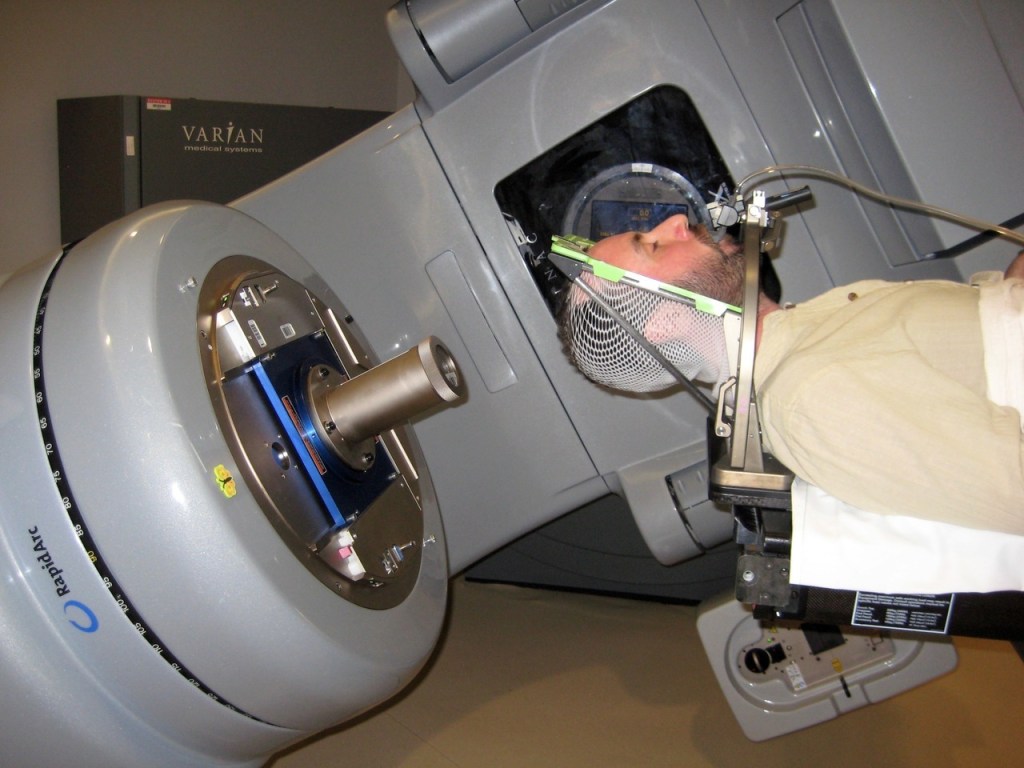
Here are some photos of the SRS (Stereotactic Radiosurgery) procedure. Looks like a science-fiction film set.

I’m feeling exhausted today; a lot has happened throughout the week. The stammer, which developed well before the SRS, still lingers and makes talking exhausting.